Thursday, October 15, 2026

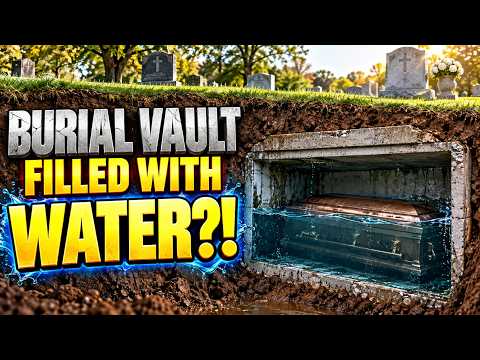
Burial Vault Filled With Water

Burial Vault Filled With Water: Causes, Concerns, and Solutions

Burial Vault Filled With Water: Causes, Concerns, and Solutions

When families choose traditional burial for a loved one, they often assume that a burial vault will provide lasting protection. Yet, a common and often misunderstood occurrence is discovering a burial vault filled with water. This situation can raise questions, concerns, and even emotional distress for families and funeral professionals alike. Understanding why water collects in burial vaults, what it means for your loved one, and how cemeteries handle these situations is important for peace of mind and informed decision-making.

In this comprehensive support page, we will explore the causes of water intrusion in burial vaults, the practical and emotional implications, and steps you can take if you encounter this issue. Along the way, you will find expert insights, informative videos, and useful resources to help guide you through this challenging topic.

Watch the Full Video Guide

watch the full video on YouTube

Quick Tips (Short Videos)

Why Does a Burial Vault Fill With Water?

Burial vaults are designed to protect a casket from the weight of the earth and shifting soil, as well as to prevent the ground above from sinking. However, no burial vault on the market is 100 percent waterproof. Over time, water can seep into a vault through tiny cracks, imperfect seals, or simply because of the natural saturation of surrounding soil. Heavy rainfall, high water tables, and flooding can all contribute to water intrusion.

While it might seem alarming, the presence of water in a burial vault is a natural and common occurrence, especially in regions with significant rainfall or areas prone to flooding. Most burial vaults are made from concrete, metal, or composite materials, which are strong but not impervious to water vapor or liquid over long periods. Even so-called sealed vaults can allow moisture to enter over time due to the forces of nature and the limitations of construction materials.

Emotional and Practical Concerns

For many families, the idea of a loved one resting in a casket that is surrounded by water is emotionally distressing. It is important to remember that the burial vault's primary purpose is structural, not preservation. While vaults add a layer of protection, they cannot guarantee a completely dry environment forever. The presence of water does not typically accelerate decomposition beyond what naturally occurs underground. Funeral professionals are accustomed to encountering water in vaults and can advise families on next steps, if needed.

Families may ask funeral directors about exhumation, vault replacement, or additional sealing after discovering water. In most cases, these actions are not necessary unless there are legal or investigative reasons for exhumation. If you have specific concerns about a loved one's burial site, consult your cemetery staff or funeral director for guidance based on their expertise and knowledge of local conditions.

Burial Vault Types and Water Resistance

Vault Type Material Water Resistance
Concrete Vault Concrete, sometimes lined with plastic or metal Moderate - may allow slow seepage over time
Metal Vault Steel, copper, or bronze High - more resistant to water but not fully waterproof
Composite Vault Fiberglass or polymer Variable - depends on design and construction

What Should Families Do If a Vault Is Filled With Water?

If you have learned that a burial vault is filled with water, the best initial step is to have an open conversation with the cemetery manager or funeral director. They can assess the situation, explain standard practices, and answer your questions with sensitivity. In the vast majority of cases, water in a burial vault is not a cause for alarm and does not indicate negligence or poor workmanship. Cemeteries are familiar with this issue and follow procedures to ensure respectful handling of every loved one.

If you feel you need further reassurance or want to research more, you can read the full Shopify article or view the Google Doc version for additional guidance and references. These resources provide more technical details, personal stories, and professional advice on burial vault maintenance and family options.

Preventive Measures and Innovations

While no vault is guaranteed to remain dry forever, there are steps that can be taken to reduce the risk of water intrusion. Some manufacturers now offer vaults with enhanced sealing mechanisms, specialized liners, or drainage systems designed to slow water entry. Additionally, some cemeteries opt for elevated burial locations or improved site drainage to mitigate high water tables. When selecting a vault, ask your funeral provider about the available options and the typical performance in your region.

For those interested in the latest trends and solutions in the funeral industry, you can explore insights and product innovations directly from The Funeral Program Site and their trusted partners.

Additional Resources

Podcast Information

For more detailed discussion and expert interviews about burial vaults, water intrusion, and funeral planning, tune in to our featured podcast episode. Listen now by clicking the link below:
Listen to the podcast episode on Podbean

Conclusion

Discovering that a burial vault has filled with water is understandably concerning at first glance. However, with knowledge comes peace of mind. Water in a vault is a natural result of environmental factors, not a failure of the cemetery or product. Understanding these realities helps families focus on what matters most: honoring and remembering their loved ones. Whether you need support, want to learn more, or are planning for the future, resources like this page, our YouTube Channel, and leading funeral industry sites are here to help.

Continue Reading
Wednesday, October 14, 2026

What Happens at a Memorial Service

What Happens at a Memorial Service

What Happens at a Memorial Service

Memorial services provide a meaningful way to honor and remember a loved one who has passed away. If you are attending your first memorial service, or planning one, you might wonder what to expect, how these events are structured, and what their purpose is. This comprehensive guide will walk you through the typical flow, customs, and significance of a memorial service so you can attend or plan with confidence and understanding.

Watch the Full Video Guide

watch the full video on YouTube

Quick Tips (Short Videos)

For more quick insights, watch these short videos: Short Video 1 | Short Video 2

Understanding Memorial Services

A memorial service is a ceremony held to honor and remember someone who has died. Unlike a traditional funeral, a memorial service typically does not involve the physical presence of the body. Instead, it provides an opportunity for family, friends, and community members to gather, share memories, offer condolences, and support one another during the grieving process. Memorial services can be religious or secular, formal or casual, and are often personalized to reflect the life and personality of the deceased.

The purpose of a memorial service is both to pay tribute to the individual and to help surviving loved ones find comfort, closure, and a sense of connection. These ceremonies can take place in a variety of settings including funeral homes, places of worship, outdoor locations, or even private homes. The flexibility of a memorial service makes it a meaningful choice for families who want a customized remembrance experience.

Key Components of a Memorial Service

While every memorial service is unique, several key elements are commonly included:

  • Welcome or Opening Remarks: An officiant, clergy member, or family representative starts the ceremony by welcoming guests and setting the tone.
  • Readings and Prayers: These may include religious passages, poetry, or meaningful texts that were significant to the deceased or their loved ones.
  • Musical Selections: Favorite songs, hymns, or live performances are often included to evoke memories and emotions.
  • Tributes and Eulogies: Family members, friends, or colleagues may share stories, memories, or reflections about the deceased.
  • Photo or Video Montage: A slideshow or video presentation may be shown to highlight moments from the person’s life.
  • Closing Words: The service may conclude with final thoughts, a benediction, or a call to gather for a reception.

Sample Memorial Service Program

Segment Description Typical Duration
Opening Remarks Welcome guests, introduction by officiant 5 minutes
Tributes and Eulogies Speeches and personal stories 20-30 minutes
Musical Interlude Live or recorded music 5 minutes
Photo/Video Montage Visual tribute to the deceased 10 minutes
Closing Remarks Gratitude, next steps, reception info 5 minutes

Personalization and Cultural Traditions

Memorial services allow for a high degree of personalization. Families often incorporate favorite hobbies, photographs, or unique rituals that honor the personality and interests of their loved one. For example, some services might include a memory table with cherished items, a guestbook for sharing memories, or a candle lighting ceremony. Others might feature a favorite meal or dessert during the reception. Cultural and religious traditions also play a role, shaping the content, structure, and tone of the event. Rituals such as readings from sacred texts, recitation of prayers, or ethnic music can all add meaningful layers to a memorial service.

If you are attending a service rooted in a culture different from your own, it is respectful to observe and follow the lead of the family and officiants. When in doubt, ask a family member or the funeral director for guidance. The most important thing is your presence and support.

Etiquette and What to Expect as a Guest

If you have been invited to a memorial service, you may be wondering what is expected of you. Generally, you should arrive on time, dress respectfully (usually in subdued or dark colors unless otherwise specified), and offer your condolences to the family. Participation in readings or rituals is optional, and you are welcome to simply listen and offer support. Silence your phone and refrain from taking photos unless the family has requested it.

Many memorial services provide an opportunity for guests to share a brief memory or story. If you feel comfortable, sharing a kind word or memory can be a meaningful contribution. However, it is perfectly acceptable to simply attend and offer your presence. After the service, a reception or gathering may be held. This is a time to connect informally, share stories, and support one another.

For more information and in-depth guidance, you can read the full Shopify article or view the Google Doc version.

Podcast Information

For a detailed audio discussion about what happens at a memorial service, listen to our podcast episode here: Memorial Service Podcast Episode.

Additional Resources and Support

Planning or attending a memorial service can be an emotional experience. There are numerous resources available to guide you through the process. Our team at The Funeral Program Site offers templates, planning tools, and compassionate support for families making arrangements. For more video guidance, visit our YouTube Channel for helpful playlists and tutorials.

Conclusion

A memorial service serves as a heartfelt gathering to remember and celebrate a life well-lived. Whether you are planning a service or attending as a guest, understanding what happens at a memorial service can help you approach the event with sensitivity, respect, and compassion. From the opening remarks to the final moments, each segment is designed to honor the deceased and provide comfort to those left behind. No two memorial services are exactly alike, but their common purpose is to create a space for remembrance, healing, and community.

Remember, your presence matters, and your support can make a meaningful difference to grieving families. If you require further guidance, do not hesitate to reach out to funeral professionals, explore online resources, or connect with others who have experienced loss. Memorial services are a testament to love, resilience, and the lasting bonds we share.

Continue Reading

Tuesday, October 13, 2026

Can Cremation Ashes Get Mixed Up?

Can Cremation Ashes Get Mixed Up? Understanding How Crematories Prevent Mix-Ups

Can Cremation Ashes Get Mixed Up?

Learn how crematories handle remains, what safeguards exist to prevent mix-ups, and what you need to know about the risks and realities of cremation ashes being mixed up.

Watch the Full Video Guide

watch the full video on YouTube

Quick Tips (Short Videos)

View Short 1

View Short 2

Understanding the Risk: Can Cremation Ashes Get Mixed Up?

Cremation is a dignified, increasingly popular choice for families. It is natural to wonder: can cremation ashes get mixed up? The concern is understandable because the cremation process happens out of sight, and families place deep trust in funeral professionals to return only their loved one’s ashes. This page provides an in-depth look at how crematories work, the risks of mix-ups, industry safeguards, and what you can do to ensure peace of mind.

Most modern crematories have strict protocols to prevent any possibility of ashes being mixed up. However, understanding how cremation works and what systems are in place can help you make informed decisions and feel more comfortable with the process. We will also cover what to ask your provider, what laws say, and what to do if you have concerns.

How Crematories Prevent Ashes From Being Mixed Up

The cremation process is highly regulated. Most facilities use detailed checklists and identification systems to ensure each person is tracked throughout. Here are the main steps that help prevent mix-ups:

  • ID Tags: Each body receives a metal identification tag that remains with it throughout cremation.
  • Paperwork: Documentation follows the remains at every step, often with multiple sign-offs.
  • One-at-a-Time Policy: Only one body is placed in the cremation chamber at a time, by law in many places.
  • Chamber Cleaning: The chamber is thoroughly swept between cremations to remove all remains.
  • Sealed Containers: Ashes are placed in labeled, sealed containers for return to families.

While these procedures are standard, accidental mix-ups, though rare, can occur due to human error or equipment failure. Reputable providers have additional protocols to catch and correct mistakes before ashes are returned.

Table: Common Safeguards in Crematories

Safeguard Description Purpose
Metal ID Tag Heat-resistant tag accompanies remains Provides traceable identity during and after cremation
One-at-a-Time Cremation Chamber holds only one person at a time Prevents direct mixing of remains
Chamber Sweeping Careful cleaning between each use Removes residual particles from previous cremations

Why Concerns About Ashes Getting Mixed Up Arise

Families trust crematories to handle their loved one with respect, but stories of mistakes or negligence have made some people wary. In rare cases, lack of oversight or poorly managed facilities have led to ashes being misidentified or mixed. Media reports and online forums have raised awareness about these issues, but such incidents are not the norm in licensed, reputable crematories.

Another reason for concern is that, even with perfect procedures, it is possible for trace amounts of ashes to remain in the chamber after sweeping. These are usually microscopic and unavoidable, and most jurisdictions consider this acceptable. If you want to learn more about the exact process, you can view the Google Doc version for detailed step-by-step information.

Questions to Ask Your Crematory or Funeral Home

If you are worried about the possibility of cremation ashes being mixed up, asking direct questions can give you peace of mind. Here are some suggestions:

  • What tracking and identification procedures do you use?
  • Can I tour the facility or see the cremation area?
  • Are you accredited or regulated by a state/provincial agency?
  • Do you allow family witnesses for the start of the cremation?
  • What is your process for preparing ashes for return?

Transparent providers will be happy to explain their process and answer your concerns. Many facilities offer the option to witness the start of cremation for additional reassurance.

Legal Protections and Industry Standards

Most regions have strict laws about how cremations are performed and how remains are handled. These may include mandatory identification, record-keeping, and inspections. Reputable crematories follow guidelines from associations such as the Cremation Association of North America (CANA) and comply with local health regulations. For more about industry standards, visit the Funeral Program Site's official brand page.

Podcast Information

For an expert discussion on this topic, listen to this episode from The Funeral Channel Podcast: Podcast Episode

What To Do If You Suspect a Mix-Up

If you have reason to believe your loved one’s ashes were mixed up, contact the crematory or funeral home immediately. Request to review their records and identification system. If you are not satisfied, you may contact your state funeral board, consumer protection agency, or local authorities to file a complaint. Errors are rare, but reputable providers will cooperate fully to resolve any concerns.

For a deeper dive, you can read the full Shopify article or visit our official YouTube channel for more videos on cremation and funeral planning.

Conclusion

While the risk of cremation ashes being mixed up exists in theory, modern crematories are designed to make such errors exceedingly unlikely. Protocols like metal ID tags, one-at-a-time cremations, and careful cleaning are standard. Families can take additional steps by asking questions and working with reputable providers. If you have more questions about cremation ashes or the process, do not hesitate to consult industry resources or contact a licensed funeral professional.

For further details, feel free to read the full Shopify article or view the Google Doc version.

Continue Reading

Monday, October 12, 2026

Catholic Funeral Timeline

Catholic Funeral Timeline: Complete Guide to Traditions and Planning

Catholic Funeral Timeline: Complete Guide to Traditions and Planning

Understanding the catholic funeral timeline is essential for families wishing to honor their loved one in accordance with the rich traditions and sacred rites of the Catholic faith. This guide provides a comprehensive overview of every major step, from the moment of passing to the final committal. Whether you are planning ahead or navigating a recent loss, having a clear roadmap helps ensure a meaningful, respectful, and organized experience for all involved.

The Catholic Church has a deeply rooted tradition regarding funerals, rooted in centuries of faith and reverence for the deceased. Each stage of the process is imbued with symbolic meaning and spiritual comfort. This guide will walk you through what to expect before, during, and after a Catholic funeral, along with practical planning tips and helpful resources.

Watch the Full Video Guide

watch the full video on YouTube

Quick Tips (Short Videos)

View Short Tip 1

View Short Tip 2

The Catholic Funeral Timeline Explained

While every family and parish may have unique customs or variations, the Catholic funeral timeline generally follows a three-part structure. Each part includes meaningful prayers, rituals, and opportunities for community support.

Stage Typical Timing Key Elements
Vigil (Wake) Evening before funeral Prayer service, eulogies, rosary
Funeral Mass Funeral day, typically morning Liturgy, Eucharist, final commendation
Committal (Burial) Immediately after Mass Graveside prayers, final blessings

1. The Vigil (Wake or Viewing)

The vigil is often the first formal gathering after a Catholic death. Held at a funeral home, church, or family residence, the vigil provides family and friends an opportunity to pray, share memories, and support one another. This event typically occurs the evening before the funeral Mass. The Rosary or other prayers are often recited, and eulogies may be shared. The vigil is a time for comfort and reflection, setting a supportive tone for the days ahead.

2. The Funeral Mass

The heart of the Catholic funeral timeline is the Funeral Mass, also known as the Mass of Christian Burial. Held at the deceased's parish church, this sacred liturgy includes readings from Scripture, hymns, the homily, the Eucharist, and special prayers for the deceased. The priest blesses the body with holy water and incense, symbolizing purification and respect. Family members may participate as readers or present the gifts. The Mass brings together the community to pray for the soul of the departed and offer support to the grieving family.

3. The Committal (Burial or Interment)

After the Mass, the funeral procession moves to the cemetery for the Rite of Committal. This brief but meaningful ceremony includes prayers, scripture, and a final blessing at the graveside or mausoleum. The priest or deacon commends the soul of the deceased to God and blesses the place of rest. Family and friends may participate by placing flowers or earth on the casket, symbolizing their love and farewell. The committal marks the conclusion of the formal Catholic funeral timeline, though prayers and remembrance continue in the days that follow.

Planning Tips and Considerations

Planning a Catholic funeral involves collaboration with a funeral home, the parish, and family members. Here are some tips to help navigate the process:

  • Contact the parish as soon as possible after death to coordinate with the priest and reserve the church.
  • Work with a funeral director familiar with Catholic customs to ensure all rites and traditions are respected.
  • Choose readings, hymns, and participants for the Mass in accordance with parish guidelines.
  • Communicate clearly with family and friends about the schedule, location, and any special wishes.
  • Consider creating a printed program or memorial keepsake for guests. For ideas and templates, visit The Funeral Program Site.

Common Questions About the Catholic Funeral Timeline

How soon after death does a Catholic funeral take place?
Traditionally, the funeral occurs within three to five days after death, but timing can vary due to family needs, parish schedules, or travel considerations.

Can non-Catholics attend or participate?
Absolutely. All are welcome to attend the vigil, Mass, and committal. Non-Catholics may participate in prayers and songs but usually do not receive the Eucharist during Mass.

Are cremation and Catholic funerals compatible?
Yes, the Church allows cremation, though it prefers the body to be present for the funeral Mass. Ashes must be buried in a sacred place, not scattered or kept at home.

Helpful Resources

Podcast Information

Listen to our in-depth podcast episode on Catholic funeral planning for further insights and expert advice. Click here to listen.

Conclusion

The catholic funeral timeline provides a structured, faith-filled way to honor a loved one, bringing comfort and hope to grieving families. By understanding each step and preparing in advance, you can ensure the process runs smoothly and all traditions are respected. Remember, the heart of the Catholic funeral is prayer, remembrance, and community. For more guidance and templates, explore resources from The Funeral Program Site and consult with your parish for personalized support.

Continue Reading

Sunday, October 11, 2026

Homegoing Service Program

Homegoing Service Program: Planning, Personalization, and Resources

Homegoing Service Program: Planning, Personalization, and Resources

Organizing a homegoing service program is both a meaningful tribute and an important cultural tradition for many families. Honoring a loved one through a well-crafted service program not only preserves their memory but also offers comfort and support to friends and family. This page will guide you through every aspect of a homegoing service program, from planning and personalization to valuable resources and helpful media. Whether you are arranging a service for the first time or seeking new ideas, you will find practical advice and inspiration here.

Watch the Full Video Guide

watch the full video on YouTube

Quick Tips (Short Videos)

For additional insights, you can also watch this short tip and see this quick video on YouTube.

What is a Homegoing Service Program?

A homegoing service program is a printed or digital document that outlines the order of events and key elements of a homegoing or celebration of life service. It serves as a keepsake for attendees and helps guide the flow of the ceremony. In many communities, especially among African American families, the homegoing service is a time-honored tradition that blends faith, family, and cultural heritage. The program typically includes details such as the date, location, order of service, musical selections, obituary, photographs, and personal messages. Creating a thoughtful program is a way to honor the unique life story of your loved one and share their legacy with all who gather.

Planning Your Homegoing Service Program

Thoughtful planning is essential for any successful homegoing service program. Early decisions about the order of service, speakers, music, and readings will lay the foundation for a meaningful event. Here are a few steps to consider:

  • Gather Information: Collect all necessary details, including the deceased's full name, life dates, photos, and biographical information.
  • Select Participants: Choose family members, friends, religious leaders, and others who will speak or perform during the service.
  • Decide on Content: Determine which hymns, readings, or poems will be included, and plan any special presentations or musical tributes.
  • Design the Program: Create an outline of the service, from the opening prayer to the final benediction, and arrange content in a logical sequence.
  • Choose a Format: Decide whether the program will be printed, shared digitally, or both. Consider the needs and preferences of your attendees.

For a more in-depth planning guide, read the full Shopify article or view the Google Doc version.

Personalizing the Program

No two homegoing services are exactly alike. Personalizing your program is a powerful way to honor your loved one and celebrate their unique story. Consider incorporating favorite scriptures, quotes, or song lyrics. Add personal reflections, letters, or special acknowledgments. Photographs and artwork can also add a visual dimension that brings memories to life. Be sure to coordinate with your venue or church to ensure your program fits within their guidelines or time constraints.

Sample Elements in a Homegoing Service Program

Section Description Tips
Order of Service Outline of events, speakers, music, prayers, and readings Keep it clear and easy to follow for guests
Obituary/Biography A summary of the loved one's life, milestones, and legacy Share stories or memorable moments
Photo Collage A page or section for photos Include a variety of images from all life stages

Resource Links and Support

Creating a homegoing service program can feel overwhelming, especially during a time of grief. Fortunately, there are a number of resources to make the process easier. Templates, design services, and professional printing options are available online. Consider using a trusted provider such as The Funeral Program Site for high-quality templates and expert guidance. For more community support, explore related content on the Funeral Program Site YouTube Channel where you will find additional videos, tips, and real-world examples.

Podcast Information

For those who prefer audio content, we recommend listening to our dedicated podcast episode. You can access the Homegoing Service Program podcast here for more detailed discussions and insights:

Conclusion

Designing a homegoing service program is a profound way to remember and honor your loved one. By carefully planning the order of service, adding personal touches, and using available resources, you can create a keepsake that comforts all who attend. Whether you use a printed booklet or a digital version, your efforts will help preserve cherished memories for years to come. Remember, help and inspiration are always available, from The Funeral Program Site to video guides and podcasts. Thank you for taking the time to create a meaningful tribute.

Continue Reading

Saturday, October 10, 2026

Wear White To Funerals

Wear White To Funerals: Culture, Meaning, and Etiquette

Wear White To Funerals: Culture, Meaning, and Etiquette

Understanding when, why, and how to wear white to funerals can help you honor traditions, show respect, and avoid unintentional offense. This in-depth guide covers history, cultural significance, etiquette, and practical advice about choosing white attire for funeral services.

Watch the Full Video Guide

watch the full video on YouTube

Quick Tips (Short Videos)

Short Video 1

Short Video 2

The Tradition of Wearing White to Funerals

When most people think of funeral attire, black is the color that immediately comes to mind. However, in many cultures around the world, white is actually the traditional color of mourning and is considered appropriate, even expected, at funeral ceremonies. The choice to wear white to funerals can symbolize purity, peace, and the soul's journey, and this tradition is deeply rooted in history and cultural beliefs.

White garments are commonly worn at funerals in various countries across Asia, Africa, and even in some Western settings when honoring specific wishes. Understanding the origins and meanings behind this custom helps ensure that your attire is respectful and aligns with the expectations of the bereaved family and their traditions.

Cultural Perspectives: Where White is Worn

The significance of funeral colors varies greatly worldwide. In Western cultures, black is generally seen as the color of mourning, but in other regions, white takes center stage. Here are some notable examples:

  • Asia: In countries such as India, China, and Japan, white is traditionally worn by mourners. It represents purity, rebirth, and spiritual liberation.
  • Africa: In some African communities, white is worn to honor the deceased, especially elders, as a way to reflect the celebration of a life well-lived.
  • Western Adaptations: Increasingly, some families request mourners to wear white as a symbol of hope or to fulfill specific spiritual beliefs.

Table: Funeral Attire Traditions by Region

Region/Country Traditional Color Meaning
India White Purity, spiritual liberation
China White Mourning, respect
United States (traditional) Black Solemnity, grief
Ghana (certain tribes) White Joy, celebration of life

Modern Trends: When is White Appropriate?

The question of whether to wear white to funerals depends on several factors, including the culture, religion, and personal wishes of the family. In multicultural societies, you may encounter invitations or obituaries specifically requesting attendees to wear white. This is common in Hindu and Buddhist funerals, as well as some Christian services that focus on hope and resurrection.

However, unless white is clearly requested, it is always best to check with the family or organizers before attending a funeral in white attire. While the gesture can be deeply meaningful, it may also cause confusion or discomfort if it goes against local customs or expectations.

Pros and Cons of Wearing White to Funerals

  • Pros: Honors cultural or religious traditions, symbolizes peace and purity, can fulfill the wishes of the deceased or their family.
  • Cons: May be seen as inappropriate or disrespectful in some settings, can draw attention if not everyone is dressed similarly, risk of misunderstanding the significance.

Etiquette and Styling Tips

When choosing to wear white to funerals, consider the following etiquette and style recommendations:

  • Opt for conservative, modest clothing such as white shirts, blouses, or dresses with simple lines.
  • Avoid overly casual or flashy attire. Steer clear of bright accessories or vibrant patterns.
  • Ensure your clothing is clean, pressed, and appropriate for the setting, whether it is a religious service, graveside, or memorial.
  • If unsure, consult with the bereaved family or funeral organizer in advance.
  • Pair white garments with neutral shoes and accessories to maintain a respectful appearance.

Further Resources

For more in-depth insights, practical guides, and cultural perspectives, explore these resources:

Podcast Information

Listen to our featured podcast episode for an audio discussion on funeral attire, including why and when to wear white: Funeral Attire Podcast Episode

Conclusion

Deciding whether to wear white to funerals is a deeply personal choice, often guided by culture, religion, or the wishes of the departed and their loved ones. White can symbolize peace, purity, and celebration of a life, making it a meaningful choice in many parts of the world. Always respect the traditions and preferences of the family, and when in doubt, simply ask. With thoughtful consideration, your presence will offer comfort and honor the memory of the deceased in the most appropriate way.

Continue Reading

Friday, October 9, 2026

How Burial Vaults Are Made

How Burial Vaults Are Made: A Complete Guide

How Burial Vaults Are Made: A Complete Guide

Burial vaults play a vital role in modern funerals, serving as the protective outer containers that encase caskets underground. They shield the casket from soil weight and the elements, help prevent ground collapse, and maintain the integrity of the cemetery landscape. But how are burial vaults actually made? In this comprehensive guide, we will explore every stage of the manufacturing process, the materials used, quality standards, and more. Whether you are a funeral professional, a family planning ahead, or simply curious, this page will answer your questions about how burial vaults are made.

Watch the Full Video Guide

watch the full video on YouTube

Quick Tips (Short Videos)

Explore more tips with these quick video links: Short 1 | Short 2.

Introduction to Burial Vaults

Burial vaults are essential in cemeteries across the United States and many other countries. They are often required by cemetery regulations to prevent ground settling and maintain the appearance of the burial site. Vaults are different from grave liners, which provide minimal protection. Vaults are specifically engineered to resist the pressure of soil and heavy cemetery equipment, as well as water and other environmental factors. The process of making a burial vault is both a science and an art, requiring knowledge of materials engineering, craftsmanship, and strict quality control.

Materials Used in Burial Vault Manufacturing

The most common materials used in the manufacture of burial vaults include reinforced concrete, steel, plastic polymers, and sometimes combinations of these. Each material offers distinct advantages for strength, durability, and cost:

Material Key Properties Common Uses
Reinforced Concrete High strength, durable, resists soil and water Standard vaults, most cemeteries
Steel Corrosion-resistant, strong, heavy Premium vaults, special orders
Plastic Polymers Lightweight, water-resistant, economical Budget vaults, secondary liners

Modern manufacturers often add sealants, liners, or metal sheathing to further enhance protection. The choice of materials depends on budget, cemetery requirements, and family preferences. To see more details on material options, you can read the full Shopify article or view the Google Doc version.

Step-by-Step: How Burial Vaults Are Made

1. Design and Engineering

The process begins with precise engineering. Manufacturers use blueprints or digital models to determine the vault's dimensions, shape, and structural requirements. Each vault must meet regulatory standards for strength and durability. Engineering teams may also design decorative elements such as exterior patterns or custom nameplates.

2. Mold Preparation

Special molds are prepared to form the exact shape of the burial vault. Molds are typically made from steel or heavy-duty fiberglass to withstand repeated use. Release agents are applied to the interior surfaces to ensure the vault can be removed cleanly after curing.

3. Mixing and Pouring the Material

For concrete vaults, high-quality cement, sand, gravel, and water are mixed with reinforcing steel mesh or rods. The mixture must be blended thoroughly for uniform strength. The concrete is poured into the mold, ensuring all corners and edges are filled. For steel or polymer vaults, sheets are cut and shaped or thermoplastic is injected into the mold.

4. Curing and Drying

Concrete vaults must cure for several days to achieve maximum strength. During this time, they are kept in a controlled environment, sometimes with added heat or humidity to speed the process. Steel vaults are welded and treated for corrosion resistance. Polymer vaults are cooled and inspected for uniformity.

5. Finishing Touches

Once cured or cooled, the vault is removed from the mold. Workers smooth surfaces, apply decorative finishes, and install any metal or plastic liners. Some vaults feature inner linings of copper, bronze, or stainless steel. Customization such as engravings or emblems is added at this stage.

6. Inspection and Quality Control

Each burial vault undergoes rigorous inspection. Technicians check dimensions, wall thickness, seal integrity, and finish quality. Vaults that meet standards are approved for shipment. Any defects are corrected or the vault is recycled. This commitment to quality ensures that every vault provides reliable protection for generations.

Industry Standards and Regulations

Burial vault manufacturers must comply with industry standards, such as those set by the National Concrete Burial Vault Association (NCBVA) and local cemetery regulations. These standards cover material strength, construction techniques, and testing protocols. Certification is often required for both the manufacturer and the finished product. Families should look for vaults that meet or exceed these benchmarks for peace of mind.

Custom Designs and Personalization

While many burial vaults are standard in size and appearance, families increasingly request personalized features. Options include colored finishes, custom engravings, emblems, or interior linings. Some vaults are designed to reflect religious or cultural themes. Manufacturers can accommodate these requests with advanced mold designs and skilled artisanship.

Transport and Installation

After manufacturing, burial vaults are transported to funeral homes or cemeteries using specialized vehicles. On the day of the service, cemetery staff use cranes or vault handling equipment to carefully lower the vault into the grave. The casket is placed inside, and the vault lid is sealed, often with adhesives or mechanical fasteners. Proper installation is crucial to ensure the vault performs as intended.

Podcast Information

For an in-depth audio discussion about how burial vaults are made and their role in funeral planning, listen to our featured podcast episode below:

Frequently Asked Questions

  • Are burial vaults required? Most cemeteries require vaults to prevent ground settling, but local rules vary.
  • Can vaults be customized? Yes, many manufacturers offer color, design, and engraving options.
  • How long do vaults last? Quality vaults are engineered to last for decades, even centuries, depending on materials and conditions.
  • Where can I learn more? For detailed information, see the full Shopify article or view the Google Doc version.

Explore More Resources

To see additional guides, videos, and expert content on funerals and memorials, visit the official Funeral Program Site. For more video content about burial vaults and related topics, browse the Funeral Program Site YouTube Channel.

Conclusion

Understanding how burial vaults are made can help families make informed choices when planning a loved one's final arrangements. From selecting durable materials to ensuring proper construction and installation, every step is taken with care and respect. Manufacturers combine modern engineering with skilled craftsmanship to create products that honor memories and protect caskets for generations. Whether you choose a standard vault or a personalized design, knowing the process behind these vital funeral products can provide peace of mind during a difficult time.

Continue Reading

Thursday, October 8, 2026

Funeral Power of Attorney

Funeral Power of Attorney: Complete Guide and Resources

Funeral Power of Attorney: Complete Guide and Resources

Understanding funeral power of attorney is a key step in ensuring your wishes or those of a loved one are honored with dignity and clarity. This page is your in-depth guide, featuring expert resources, videos, and practical tips for navigating funeral planning decisions through legal representation.

Watch the Full Video Guide

watch the full video on YouTube

Quick Tips (Short Videos)

What is a Funeral Power of Attorney?

A funeral power of attorney is a legal document that allows you to designate a trusted individual to make funeral and burial decisions on your behalf. This authority is critical if you wish to ensure your preferences are followed, and it can help avoid family disputes or confusion during a difficult time. By choosing a funeral power of attorney, you appoint someone to carry out your wishes regarding your final arrangements, including disposition of remains, funeral service details, and other related matters.

Why Consider a Funeral Power of Attorney?

End-of-life decisions can be emotionally charged and complex. With a funeral power of attorney, you provide clear guidance for your loved ones and reduce the likelihood of disagreements. This document is especially valuable if your family is geographically dispersed, if there are blended family dynamics, or if you have specific religious or cultural requests for your funeral. The person you appoint should be someone you trust to honor your preferences and who is capable of making decisions under pressure.

Key Roles and Responsibilities

The individual designated as your funeral power of attorney, often called your agent, will have specific legal powers. These may include:

  • Choosing the funeral home and making arrangements
  • Coordinating burial, cremation, or other disposition methods
  • Managing payments and contracts related to the funeral
  • Carrying out any written instructions you have provided

It is important to communicate your wishes in writing and discuss them in detail with your chosen agent. Many people also consult with a funeral director or attorney to ensure their power of attorney document is valid and enforceable in their state.

Funeral Power of Attorney vs. Other Legal Documents

It is easy to confuse a funeral power of attorney with other advance planning documents. Here is a quick comparison to clarify the differences:

Document Type Primary Purpose Effective When
Funeral Power of Attorney Appoints someone to make funeral and burial decisions After death
Medical Power of Attorney Appoints someone to make medical decisions if you are incapacitated During incapacity
Last Will and Testament Distributes assets and property after death After death

How to Set Up a Funeral Power of Attorney

Setting up a funeral power of attorney typically involves drafting a document that clearly outlines your wishes and identifies your chosen agent. Some states have specific forms, while others require a notarized statement. Here are the general steps:

  1. Decide who will serve as your agent and discuss your wishes with them.
  2. Consult state laws or an attorney to ensure you are using the correct form.
  3. Detail your funeral and burial preferences in writing.
  4. Sign the document in the presence of a notary or witnesses, as required.
  5. Provide copies to your agent, family, and your chosen funeral home.

For more details, you can read the full Shopify article or view the Google Doc version.

Legal Considerations and Common Questions

Funeral power of attorney laws vary by state. Some states give priority to next of kin unless a specific document is in place. Others fully recognize the wishes expressed in a power of attorney. It is important to update your document if you move or if your family situation changes. Common questions include:

  • What happens if there is no funeral power of attorney? Usually, state law determines who has the right to make decisions.
  • Can my agent override my written wishes? Generally, your instructions must be followed unless they are illegal or impossible to carry out.
  • Is a funeral power of attorney the same as a will? No, it serves a different purpose and takes effect immediately after death for funeral decisions only.

Resources for More Information

Seeking further guidance on funeral power of attorney? Explore these reputable resources:

Podcast Information

Listen and learn more about funeral power of attorney by visiting the following podcast episode: Funeral Power of Attorney Podcast

Conclusion

Designating a funeral power of attorney is an act of compassion and foresight. It relieves your loved ones from the burden of difficult decisions and ensures your funeral and burial wishes are respected. Taking the time to document your preferences, select a trustworthy agent, and follow your state laws is a responsible step in end-of-life planning. Remember to review and update your documents as your circumstances change, and share this information with those who may benefit from it. For more in-depth information, video guides, and step-by-step planning resources, explore our recommended links and connect with The Funeral Program Site community.

Continue Reading

Wednesday, October 7, 2026

Poppies At Funerals

Funeral Poppies: Meaning, Symbolism, and Guidance for Memorial Services

Funeral Poppies: Meaning, Symbolism, and Guidance for Memorial Services

Poppies have long held a unique place in the world of remembrance and loss. Woven into the fabric of funerals and memorials, funeral poppies bring with them a legacy of symbolism, hope, and respect. This page explores the history, meaning, and best practices for using poppies at funerals, guiding you through their significance and offering practical ideas for your own memorial services.

Watch the Full Video Guide

watch the full video on YouTube

Quick Tips (Short Videos)

Short Tip Video 1 | Short Tip Video 2

The History and Symbolism of Funeral Poppies

Poppies have been associated with memorials and funerals for over a century, especially since the aftermath of World War I. Their vibrant red petals, delicate structure, and resilience in the face of adversity made them a powerful symbol of remembrance. The tradition began with the famous poem "In Flanders Fields," which described poppies growing amid the graves of soldiers. This moving image transformed the poppy into an international emblem of memory, loss, and hope for peace.

Funeral poppies are now seen at services across the world, particularly on Remembrance Day and Memorial Day ceremonies. They not only honor those who have passed but also represent the cycle of life, renewal, and the enduring impact of loved ones. Incorporating poppies into a funeral can bring comfort and meaning to mourners, serving as a gentle reminder that those we love remain with us in spirit.

Why Choose Poppies for a Funeral?

Deciding which flowers to use at a funeral can be deeply personal. Funeral poppies stand out for their rich symbolism and universal recognition. Here are a few reasons why poppies are often chosen for memorial services:

  • Symbol of remembrance and respect for the deceased
  • Representation of hope and renewal after loss
  • Simple beauty that resonates with both traditional and modern services
  • Connection to military history and honoring veterans
  • Availability in different colors, each with unique meaning

Whether you use fresh poppies, artificial arrangements, or symbolic representations, their presence adds a layer of significance to any memorial event.

Types of Funeral Poppies and Their Meanings

Poppy Color Symbolic Meaning Common Uses at Funerals
Red Remembrance, sacrifice, respect for fallen heroes Wreaths, lapel pins, floral sprays
White Peace, innocence, hope for a better world Table arrangements, symbolic gestures
Purple Remembrance of animal victims of war, dignity Specialized services, commemorative events

The red poppy remains the most well-known symbol, particularly for honoring military service members. However, white and purple poppies are increasingly used to express different aspects of remembrance and peace.

How to Incorporate Funeral Poppies in Memorial Services

There are many thoughtful ways to include funeral poppies in a memorial or funeral service. Here are some ideas to consider:

  • Decorate the altar or memorial table with fresh or artificial poppy arrangements
  • Offer poppy lapel pins to guests as a keepsake of remembrance
  • Use poppy motifs on funeral programs, prayer cards, or thank you notes
  • Place a poppy wreath at the gravesite or memorial location
  • Encourage guests to share stories of their loved one, inspired by the symbolism of the poppy

Poppies can be used alone or combined with other meaningful flowers to create a personalized tribute. Their versatility makes them suitable for both somber and uplifting ceremonies.

Cultural and Religious Considerations

The use of funeral poppies is common in many Western countries, especially the United Kingdom, Canada, Australia, and the United States. In some cultures or faiths, flowers at funerals may have specific meanings or restrictions. Always consider the wishes of the family and any religious customs before including poppies in a service. Communicating openly with your funeral director or planning specialist can help ensure the ceremony respects everyone involved.

Additional Resources and References

For more detailed guidance and unique ideas, you can read the full Shopify article or view the Google Doc version of this topic. If you are interested in related video content, visit our YouTube channel for tutorials and memorial inspiration. To learn more about our brand and additional funeral resources, visit The Funeral Program Site.

Podcast Information

For in-depth discussions on funeral flowers, traditions, and planning, listen to our latest podcast episode: Funeral Poppies Podcast Episode

Conclusion

Funeral poppies remain a timeless emblem of remembrance, sacrifice, and the enduring bonds we share with those who have passed away. Their vibrant colors and deep meanings allow families to pay tribute in a way that feels both traditional and heartfelt. Whether you are planning a military memorial, honoring a loved one, or simply wish to incorporate a symbol of hope and renewal, poppies offer a beautiful option.

With thoughtful planning and understanding of their symbolism, funeral poppies can bring comfort and a sense of unity to any memorial event. Explore more resources, videos, and guidance to create a tribute that truly celebrates a life well-lived.

Continue Reading

Burial Vault Filled With Water

Burial Vault Filled With Water: Causes, Concerns, and Solutions Burial Vault Filled With Water: Causes, Concerns, ...