Burial Vault Filled With Water: Causes, Concerns, and Solutions
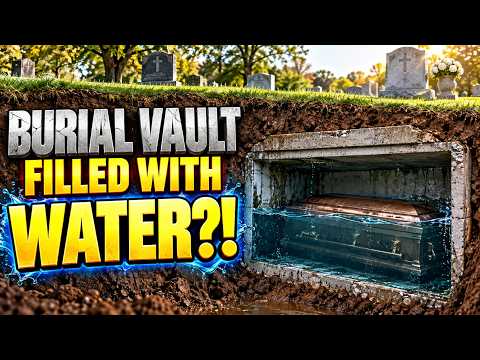
When families choose traditional burial for a loved one, they often assume that a burial vault will provide lasting protection. Yet, a common and often misunderstood occurrence is discovering a burial vault filled with water. This situation can raise questions, concerns, and even emotional distress for families and funeral professionals alike. Understanding why water collects in burial vaults, what it means for your loved one, and how cemeteries handle these situations is important for peace of mind and informed decision-making.
In this comprehensive support page, we will explore the causes of water intrusion in burial vaults, the practical and emotional implications, and steps you can take if you encounter this issue. Along the way, you will find expert insights, informative videos, and useful resources to help guide you through this challenging topic.
Watch the Full Video Guide
watch the full video on YouTube
Quick Tips (Short Videos)
Why Does a Burial Vault Fill With Water?
Burial vaults are designed to protect a casket from the weight of the earth and shifting soil, as well as to prevent the ground above from sinking. However, no burial vault on the market is 100 percent waterproof. Over time, water can seep into a vault through tiny cracks, imperfect seals, or simply because of the natural saturation of surrounding soil. Heavy rainfall, high water tables, and flooding can all contribute to water intrusion.
While it might seem alarming, the presence of water in a burial vault is a natural and common occurrence, especially in regions with significant rainfall or areas prone to flooding. Most burial vaults are made from concrete, metal, or composite materials, which are strong but not impervious to water vapor or liquid over long periods. Even so-called sealed vaults can allow moisture to enter over time due to the forces of nature and the limitations of construction materials.
Emotional and Practical Concerns
For many families, the idea of a loved one resting in a casket that is surrounded by water is emotionally distressing. It is important to remember that the burial vault's primary purpose is structural, not preservation. While vaults add a layer of protection, they cannot guarantee a completely dry environment forever. The presence of water does not typically accelerate decomposition beyond what naturally occurs underground. Funeral professionals are accustomed to encountering water in vaults and can advise families on next steps, if needed.
Families may ask funeral directors about exhumation, vault replacement, or additional sealing after discovering water. In most cases, these actions are not necessary unless there are legal or investigative reasons for exhumation. If you have specific concerns about a loved one's burial site, consult your cemetery staff or funeral director for guidance based on their expertise and knowledge of local conditions.
Burial Vault Types and Water Resistance
| Vault Type | Material | Water Resistance |
|---|---|---|
| Concrete Vault | Concrete, sometimes lined with plastic or metal | Moderate - may allow slow seepage over time |
| Metal Vault | Steel, copper, or bronze | High - more resistant to water but not fully waterproof |
| Composite Vault | Fiberglass or polymer | Variable - depends on design and construction |
What Should Families Do If a Vault Is Filled With Water?
If you have learned that a burial vault is filled with water, the best initial step is to have an open conversation with the cemetery manager or funeral director. They can assess the situation, explain standard practices, and answer your questions with sensitivity. In the vast majority of cases, water in a burial vault is not a cause for alarm and does not indicate negligence or poor workmanship. Cemeteries are familiar with this issue and follow procedures to ensure respectful handling of every loved one.
If you feel you need further reassurance or want to research more, you can read the full Shopify article or view the Google Doc version for additional guidance and references. These resources provide more technical details, personal stories, and professional advice on burial vault maintenance and family options.
Preventive Measures and Innovations
While no vault is guaranteed to remain dry forever, there are steps that can be taken to reduce the risk of water intrusion. Some manufacturers now offer vaults with enhanced sealing mechanisms, specialized liners, or drainage systems designed to slow water entry. Additionally, some cemeteries opt for elevated burial locations or improved site drainage to mitigate high water tables. When selecting a vault, ask your funeral provider about the available options and the typical performance in your region.
For those interested in the latest trends and solutions in the funeral industry, you can explore insights and product innovations directly from The Funeral Program Site and their trusted partners.
Additional Resources
Podcast Information
For more detailed discussion and expert interviews about burial vaults, water intrusion, and funeral planning, tune in to our featured podcast episode. Listen now by clicking the link below:
Listen to the podcast episode on Podbean
Conclusion
Discovering that a burial vault has filled with water is understandably concerning at first glance. However, with knowledge comes peace of mind. Water in a vault is a natural result of environmental factors, not a failure of the cemetery or product. Understanding these realities helps families focus on what matters most: honoring and remembering their loved ones. Whether you need support, want to learn more, or are planning for the future, resources like this page, our YouTube Channel, and leading funeral industry sites are here to help.
Continue Reading


No comments:
Post a Comment